Beddington gardeners lawn checklist near Beddington Park
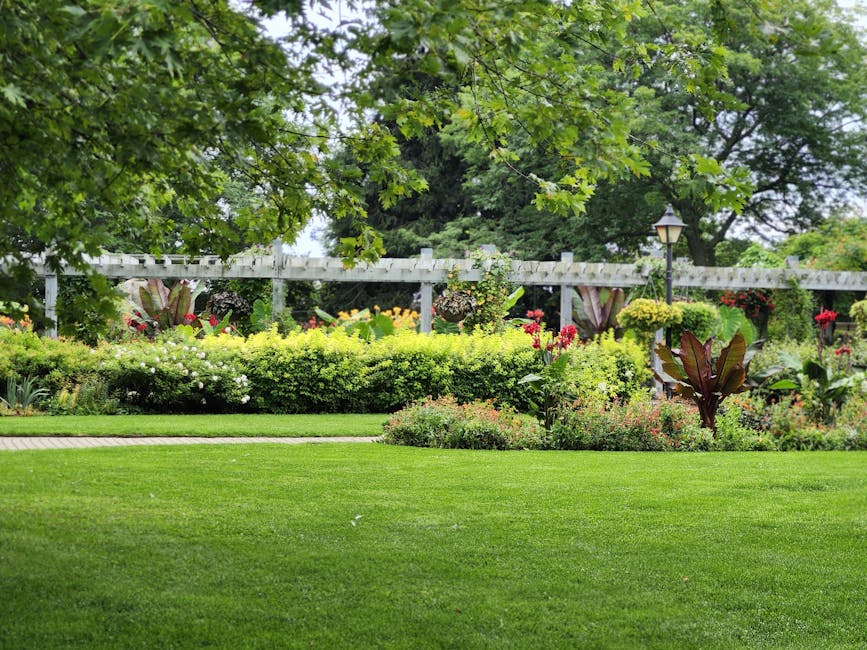
If your lawn around Beddington Park has started looking a bit tired, patchy, or mossy, you are not alone. A lawn in South London has to deal with foot traffic, shade, damp spells, sudden dry patches, and the usual UK cycle of "looks fine on Tuesday, then not so much by Friday." This guide to the Beddington gardeners lawn checklist near Beddington Park gives you a practical, no-nonsense way to keep grass healthy through the year, whether you manage a small front strip, a family garden, or a more established green space.
We will walk through what the checklist actually includes, why it matters, how local conditions change the approach, and the steps that usually make the biggest difference. You will also find a useful comparison table, a realistic example, and a proper checklist you can use straight away. If you are deciding whether to handle it yourself or bring in help, this should make the choice clearer.
Why Beddington gardeners lawn checklist near Beddington Park Matters
A lawn checklist sounds simple, but in practice it prevents a lot of avoidable problems. Near Beddington Park, lawns are often affected by shade from mature trees, compacted soil from repeated use, and damp conditions that encourage moss and thin grass. On the other hand, some gardens sit in more open spots where summer drying can be the bigger issue. Same postcode area, very different lawn behaviour.
A checklist helps you notice small changes early. That might mean spotting bare patches before weeds take over, noticing poor drainage before it turns into a muddy mess, or trimming the mowing routine before the grass gets stressed. To be fair, most lawn trouble is not dramatic at first. It creeps up.
It also helps local gardeners work in a more measured way. Instead of randomly feeding, cutting, watering, and hoping for the best, you follow a sequence: inspect, clear, aerate, mow, feed, overseed, and monitor. That order matters. If you get it wrong, you can end up feeding weeds, mowing too low, or watering at the wrong time of day.
For homeowners close to the park, there is another reason it matters: visible lawns shape the first impression of a property. Whether you are keeping things neat for your own enjoyment or preparing a garden for sale or letting, a well-kept lawn quietly lifts everything around it. It makes borders look tidier. Paths look cleaner. The whole place just feels looked after.
How Beddington gardeners lawn checklist near Beddington Park Works
The checklist works by breaking lawn care into manageable tasks that match the seasons and the lawn's condition. That is really the trick. Instead of treating lawn care as a once-a-year job, you split it into regular checks and small interventions.
In a typical year, a lawn checklist will cover:
- Surface inspection - looking for moss, weeds, bare spots, worms casts, and general thinning.
- Mowing control - setting the right cutting height and avoiding scalping.
- Soil care - aeration, scarifying, top dressing, and feeding where needed.
- Water management - giving enough water without creating soggy roots.
- Edge and border tidying - keeping the lawn defined against beds, patios, and paths.
- Seasonal repair - overseeding, patch repair, moss control, and winter prep.
You can think of it as a rhythm rather than a one-off project. Spring often focuses on recovery after winter. Summer is about keeping stress low. Autumn is repair and preparation. Winter is observation, restraint, and avoiding damage. Not glamorous, granted, but very effective.
For many local gardens, the checklist also connects to wider garden care. Overhanging shrubs, shaded corners, and compacted paths all influence lawn health. If you need broader support, a joined-up service like garden maintenance can help keep the whole space aligned instead of patchworking different jobs together.
Key Benefits and Practical Advantages
The obvious benefit is a better-looking lawn, but that is only part of the story. A structured lawn checklist improves resilience, reduces repeat problems, and saves time over the long run.
- Healthier grass - regular cutting, feeding, and aeration help grass grow more evenly.
- Fewer weeds - thick turf naturally leaves less room for unwanted growth.
- Less moss - especially useful where shade and moisture are common.
- Better drainage - simple aeration steps can make a noticeable difference in sticky soil.
- Lower repair costs - catching bare patches early is easier than rebuilding a lawn later.
- More usable outdoor space - a level, well-managed lawn is nicer for children, pets, and seating areas.
There is also a confidence factor. Once you know what to look for, you stop guessing. You notice, for example, that moss is not just "a bit of green fluff" but often a sign of shade, dampness, or low soil fertility. That kind of understanding is what turns regular maintenance into real lawn care.
If you are already working on the wider garden, good lawn care also complements other improvements. For instance, tidy edging and a clean patio create a stronger overall impression than a patchy lawn surrounded by nice features. If that balance matters to you, you may also find patio cleaning helpful for the hard landscaping side of the garden.
Who This Is For and When It Makes Sense
This checklist is useful for a fairly wide range of people, but it is especially relevant if one of these sounds familiar:
- You want a neat lawn but do not have time to work everything out from scratch.
- Your grass keeps thinning in the same area every year.
- There is shade from trees, fences, or buildings and the lawn struggles to recover.
- You are preparing a property for sale, rent, or family use.
- You have just moved into a home near Beddington Park and are trying to rescue an older lawn.
- You already mow regularly but want better results, not just shorter grass.
It also makes sense if you prefer seasonal planning. A lot of people are fine with lawn care when the weather is pleasant and then lose momentum in autumn or after a wet spell. That is where the checklist earns its keep. It gives you a sensible routine even when the garden is not exactly inviting.
And if you are juggling other garden priorities, lawn work can be folded into a wider service plan. Some people pair it with regular lawn mowing or broader lawn care support so the grass gets the right treatment at the right time, rather than a rushed trim every now and again.
Step-by-Step Guidance
Here is a practical version of the checklist you can use across the year. It is not fancy. It just works when followed consistently.
- Start with a clear inspection
Walk the lawn slowly and look for bare patches, dead spots, moss, weeds, puddling, and uneven growth. If one corner always looks weak, that points to a cause, not just bad luck. - Remove surface debris
Leaves, twigs, old clippings, and compacted thatch can block light and air. A quick clear-up makes later steps much more effective. - Check the mowing height
Cutting too short weakens grass, especially in dry spells or shaded gardens. Keep blades sharp and avoid hacking off too much at once. The lawn should look neat, not shaved. - Aerate compacted areas
Use a garden fork or machine aerator to open the soil, especially on paths, play zones, and anywhere people tend to walk the same line again and again. - Scarify if there is excess thatch or moss
Thatch is the layer of dead grass and organic matter that can build up between the turf and the soil. A light scarify helps air and water reach the roots. - Repair bare patches
Rake the area, add seed, and keep it lightly moist until growth is established. Small patch repairs are much easier than waiting for weeds to colonise the space. - Feed at the right time
Use a suitable lawn feed based on the season and the condition of the grass. Spring and autumn are commonly useful times, though the lawn's actual needs should guide the choice. - Water sensibly
Water deeply when needed, rather than giving little splashes every day. Early morning is often the sensible window in dry weather because less water is lost to evaporation. - Edge and tidy
Sharp edges make even an average lawn look better. It is one of those small jobs that has an outsized effect. Honestly, people notice it. - Review again after two to four weeks
That second look matters. You will see whether the lawn is recovering, whether the same trouble spots remain, and whether you need a different approach.
If you prefer a wider gardening toolkit for these jobs, the guide on essential gardening tools and supplies is a sensible companion read.
Expert Tips for Better Results
These are the details that tend to make the difference between a lawn that merely survives and one that actually settles down and improves.
1. Do not treat every problem as a feeding problem
It is tempting to throw fertiliser at tired grass, but poor drainage, shade, and compaction often matter more. Feed after you have dealt with the underlying issue, not before. Otherwise you are polishing the bonnet while the engine misfires.
2. Match your lawn height to the season
In cool, damp periods, grass usually tolerates a slightly lower cut than during dry summer weather. During stress periods, leave it a bit longer so it can shade its own roots and hold moisture better. Small adjustment. Big effect.
3. Watch the corners and edges
Most lawns fail first at the edges. Those areas get overlooked, trampled, shaded, or cut inconsistently. A little extra care there can save a lot of patch repair later.
4. Think in terms of root health, not just colour
A green top is nice, but turf quality depends on roots, soil structure, and moisture balance. If the lawn looks green yet feels spongy, sour, or patchy underfoot, there is usually something deeper going on.
5. Use the weather to your advantage
After a light rain, soil is easier to work and less likely to dust up. After prolonged wet weather, avoid heavy work on the lawn because you can create more compaction than you solve. Timing really matters here.
For gardens that sit under trees or near boundary planting, it can also help to manage shade and spread from other plants. If ivy or climbers are swallowing light, a targeted approach like the advice in top techniques for ivy elimination may be worth looking at.
Common Mistakes to Avoid
A surprising number of lawn problems come from good intentions done at the wrong time. It happens all the time.
- Mowing too short - this weakens the grass and leaves soil exposed.
- Ignoring compaction - if water sits on the surface, the roots are likely struggling.
- Feeding without diagnosis - not every thin lawn needs more fertiliser.
- Overwatering - too much water can encourage shallow roots and fungal issues.
- Leaving moss untreated for too long - moss is usually a symptom, not the real cause.
- Repairing bare patches too late in the season - seed needs the right conditions to establish.
- Using blunt mower blades - ragged cuts stress the grass and make the finish look untidy.
One of the biggest mistakes is treating a lawn as if it were the same across its entire surface. A front strip in full sun, a rear lawn under mature trees, and a narrow side run between buildings may each need a slightly different approach. That is normal, not a sign you are doing it badly.
Another common slip is forgetting that lawns live in a broader garden system. If borders are spilling over, hedges are shading too much, or the soil is being compacted by repeated access, the grass will keep reacting. Sometimes the fix is not on the lawn itself. That is the awkward bit, but there it is.
Tools, Resources and Recommendations
You do not need a shed full of specialist gear, but a few solid tools make the checklist much easier to carry out properly.
- Sharp mower - for an even cut and less damage to the grass.
- Garden fork or aerator - useful for relieving compaction.
- Spring rake or scarifier - for removing thatch and surface moss.
- Soil improver or top dressing - to support patch repair and improve structure.
- Seed spreader or hand spreader - helps with even overseeding.
- Watering can or hose with a gentle setting - for new seed and dry spells.
- Edging tool - small tool, big visual payoff.
If you are still building your kit, the article on garden tool essentials for hobbyists and pros is a practical place to start. And for those working with limited outdoor space, container gardening ideas can complement lawn work by making the rest of the garden feel more structured.
There is no shame in using professional help where it saves time and prevents mistakes. For example, if the lawn is part of a larger tidy-up, gardening services can be a sensible option. If pricing matters before you commit, the page on pricing and quotes may help you plan the next step.
Law, Compliance, Standards, or Best Practice
For ordinary domestic lawn care, there are usually no special legal hurdles, but there are still sensible best practices to follow. In the UK, it is always worth paying attention to health and safety, especially if tools, slopes, slippery surfaces, or powered equipment are involved. A wet lawn and a fast-moving machine is a poor combination, plain and simple.
If work is being done for a property owner, landlord, or managing agent, clarity matters. Agree what is included, when access is needed, and who is responsible for waste removal or follow-up care. That is just good practice, and it avoids awkward messages later.
For more on safe working habits, you can review the site's own guidance on health and safety policy and the insurance and safety information. If you are using any service provider, it is also sensible to understand their terms and conditions and payment and security approach before work begins.
One more practical note: if your lawn work affects adjoining boundaries, fences, or shared access, it is wise to be considerate with neighbours and keep paths tidy. Good gardening etiquette is not written on a sign, but people notice it immediately.
Options, Methods, or Comparison Table
Different lawn situations call for different methods. Here is a simple comparison that helps you decide what to prioritise first.
| Method | Best for | Strength | Limitations |
|---|---|---|---|
| Routine mowing only | Healthy, even lawns with few problem areas | Fast, simple, low disruption | Does not fix compaction, moss, or poor soil |
| Mowing plus feeding | Lawns that have lost colour or growth vigour | Improves appearance and recovery | Can be wasted if the soil is compacted or shady |
| Aeration and overseeding | Thin lawns, worn paths, and patchy areas | Targets root health and density | Takes longer to show results |
| Scarifying and repair | Mossy or thatchy lawns | Refreshes the surface and opens space for regrowth | Can look a little rough immediately after treatment |
| Professional lawn care plan | Busy households, larger gardens, or chronic lawn issues | More consistent and tailored | Higher upfront cost than DIY |
Truth be told, most good lawns are the result of combining methods rather than relying on one magic fix. The lawn in a shaded Beddington garden may need aeration and moss control; another one near the same area might mainly need sharper mowing and a better watering routine. Different answer, same postcode.
Case Study or Real-World Example
Consider a typical family garden not far from Beddington Park. The lawn looked okay from the kitchen window, but closer up it had thin strips near the path, moss along the fence line, and a bare patch where children often ran between the lawn and patio. Nothing dramatic. Just enough to be annoying.
The first pass was simple: clear debris, raise the mowing height, and stop cutting in very short, frequent bursts. Next came aeration on the hardest-wearing areas, followed by overseeding the thin patch and adding a light top dressing. The shady fence line got extra attention because that was where moss kept returning. In parallel, nearby overgrowth was reduced so the lawn could actually receive more daylight.
Two things made the biggest difference. First, the work was done in the right order. Second, the garden owner did not expect instant perfection. After a few weeks, the lawn looked less tired and more even. By the next season, the improvement was obvious enough that neighbours started asking what changed. It was not one heroic intervention. It was a better routine.
If a garden is in a more neglected state, a broader reset may be more appropriate. In those cases, a service like garden renewal for neglected areas can give the lawn and surrounding spaces a much cleaner starting point.
Practical Checklist
Use this as your working lawn checklist near Beddington Park. It is short on fluff and strong on action.
- Walk the lawn and note bare patches, weeds, moss, dips, and puddles.
- Remove leaves, twigs, and old clippings.
- Check whether the mower blade is sharp and the cutting height is sensible.
- Mow only when the grass is dry enough to cut cleanly.
- Avoid removing too much grass in one pass.
- Aerate compacted sections, especially near paths and play areas.
- Scarify lightly if thatch or moss is building up.
- Overseed thin areas and keep them lightly watered.
- Feed the lawn according to season and condition.
- Trim and edge the borders for a cleaner finish.
- Recheck problem spots after a few weeks.
- Adjust your plan if shade, drainage, or traffic is the real cause.
That last point is worth repeating. Adjust the plan if the cause is not what you first thought. It saves a lot of chasing your own tail.
Get a free quote today and see how much you can save.
Conclusion
A good lawn checklist is less about perfection and more about steady, sensible care. Around Beddington Park, that usually means respecting shade, moisture, wear, and the seasonal rhythm of the British climate. Once you start looking at the lawn as a living system rather than a patch of grass that just needs a cut now and then, the results tend to improve.
The best approach is usually simple: inspect regularly, fix the soil before chasing the finish, and keep the routine manageable. If you need help with the broader garden or want a professional set of hands for the lawn itself, there are practical routes to make that easier. The important part is starting cleanly and staying consistent. Small wins add up faster than people expect.
And yes, a lawn can be fussy. But it can also recover beautifully when you give it the right conditions. That is the nice part.
Frequently Asked Questions
What should a Beddington gardeners lawn checklist near Beddington Park include?
It should cover inspection, mowing, edging, aeration, moss control, overseeding, feeding, watering, and seasonal checks. The exact order depends on the lawn's condition, but those are the core tasks.
How often should a lawn be checked?
Most lawns benefit from a quick weekly look and a more detailed seasonal review. You do not need to do every job every week, but regular observation helps you catch trouble early.
Is moss a sign that the lawn is unhealthy?
Usually, yes. Moss often points to shade, damp soil, compaction, low fertility, or a combination of those things. Treating the moss alone rarely fixes the underlying issue.
Can I improve a patchy lawn without replacing it completely?
In many cases, yes. Aeration, overseeding, top dressing, and better mowing habits can repair a lot of patchy lawns. If the soil is badly damaged or the shade is extreme, the solution may be more involved.
What is the biggest lawn care mistake people make near Beddington Park?
Cutting too short is a common one. The second-biggest is ignoring compaction. Both can weaken grass and leave room for weeds and moss to move in.
Should I water my lawn every day in summer?
Usually not. Deep, less frequent watering is generally better than light daily watering, because it encourages stronger roots. Early morning is often the most practical time if watering is needed.
Do I need professional help for lawn care?
Not always. If your lawn is healthy and you enjoy the work, DIY can be perfectly fine. Professional help makes more sense if the lawn has recurring problems, the garden is large, or you simply want consistent results without the time burden.
What is the difference between lawn mowing and lawn care?
Mowing is just one part of lawn care. Lawn care includes mowing, feeding, aerating, repairing, watering, and dealing with weeds or moss. A lawn can be neatly cut and still be unhealthy underneath.
When is the best time to repair bare patches?
Usually during periods when soil is workable and grass seed can establish without stress. Spring and early autumn are often useful windows, but weather and local conditions matter more than the calendar alone.
Does a shaded lawn need a different checklist?
Yes. Shaded lawns usually need closer attention to mowing height, airflow, moss control, and soil condition. They often grow more slowly too, so patience matters. A lot.
How do I know if my lawn needs aeration?
If water pools, the surface feels hard, the grass struggles in worn areas, or the lawn gets heavy foot traffic, aeration is usually worth considering. It helps air, water, and nutrients reach the roots more easily.
Can lawn care be combined with other garden maintenance?
Absolutely. In fact, that is often the best way to do it. Lawn work is easier when surrounding borders, hedges, and patios are also kept in good shape, because the whole garden starts to work together instead of fighting itself.
If you want a better-looking lawn without the trial-and-error, a structured checklist is the calmest place to begin. Keep it simple, keep it seasonal, and let the grass tell you what it needs.