Health and Safety Policy for Gardeners Beddington
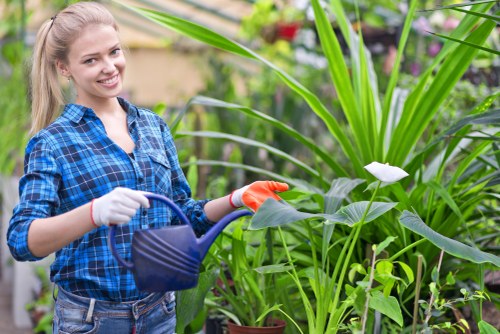 This Health and Safety Policy sets out the standards and responsibilities that help keep every gardener in Beddington safe while carrying out routine and specialist outdoor work. It applies to all activities, from lawn care and pruning to hedge shaping, planting, soil preparation, and the use of hand tools and powered equipment. Our aim is to create a working approach that is practical, consistent, and clearly understood by everyone involved.
We recognise that gardening work can involve physical effort, sharp tools, exposure to weather, lifting, slips, trips, and contact with plants, insects, or chemicals. For that reason, every gardener must take reasonable care for their own safety and the safety of others. A safe working environment depends on attention, preparation, and good judgement before, during, and after each task.
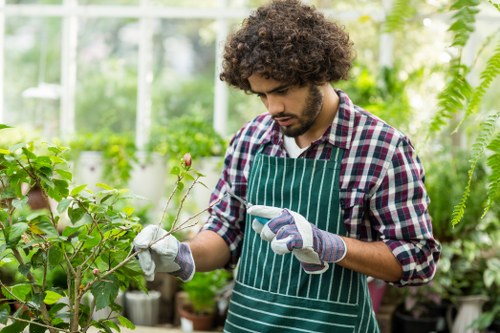 This policy supports a culture where hazards are reported early, risks are assessed properly, and work methods are adapted to suit the conditions. Whether the work is carried out in a private garden, communal space, or landscaped area, the same standards apply. Garden safety is not treated as an extra step; it is part of the job itself.
Responsibilities and Safe Working Standards
Managers, supervisors, and workers each have a role in maintaining safe gardening practices. Supervisors are responsible for making sure work is planned, suitable equipment is available, and risk levels are reviewed before tasks begin. Workers are expected to follow instructions, use equipment properly, and stop work if conditions become unsafe. Everyone must act responsibly and report concerns immediately.
All tools and machinery should be checked before use and maintained in good condition. Blades must be sharp and secure, guards must remain in place, and faulty tools must be removed from service until repaired. Powered equipment should only be operated by trained individuals. Where manual handling is required, workers should use correct lifting techniques and seek help for heavy or awkward loads.
 Personal protective equipment, or PPE, must be worn where needed. This may include gloves, sturdy footwear, eye protection, hearing protection, or weather-appropriate clothing. PPE does not replace safe methods, but it adds another layer of protection. In all cases, workers should wear suitable clothing that allows movement without creating additional hazards.
Risk Control and Workplace Awareness
Before starting work, a suitable assessment should identify common hazards such as uneven ground, hidden debris, unstable structures, sharp branches, chemicals, and overhead obstacles. The assessment should also consider the presence of children, pets, visitors, or members of the public. Garden maintenance safety improves when the work area is kept tidy, access routes are clear, and waste is removed promptly.
Weather conditions must also be considered. Excessive heat, cold, rain, strong winds, or reduced visibility can all affect safety and the quality of work. Tasks should be paused or adjusted when conditions become unsuitable. Drinking water, shade, warm clothing, and rest breaks may be necessary depending on the season and workload.
Special care is required when using chemicals such as fertilisers, weed treatments, or cleaning products. These materials should be stored securely, used according to instructions, and kept away from unauthorised people. Workers should avoid unnecessary exposure, wash hands after use, and prevent contamination of nearby surfaces or planting areas. Safe storage and careful handling are essential parts of responsible garden work.
Training, Communication, and Incident Reporting
All staff must receive appropriate training for the duties they perform. Training should cover safe tool use, manual handling, hazard awareness, emergency procedures, and the correct use of PPE. Refresher training should be provided when equipment changes, new risks are introduced, or a worker needs additional support. Well-trained gardeners are more likely to complete tasks efficiently and with fewer incidents.
Clear communication is important whenever more than one person is working on a site. Team members should know who is in charge, what each task involves, and where any immediate hazards are located. If a task changes during the day, the revised plan should be explained before work continues. This helps reduce misunderstandings and prevents avoidable accidents.
Any accident, near miss, injury, or unsafe condition must be reported as soon as possible. Reporting allows the issue to be investigated and corrected before it leads to further harm. Records should be kept where appropriate, and corrective action should be reviewed to make sure it is effective. Learning from incidents is a vital part of keeping standards high.
Emergency Preparedness and Review
 In an emergency, workers should stop the task, make the area safe if possible, and follow the correct response procedure. This may include first aid, contacting emergency services, or isolating dangerous equipment. Anyone who is injured should receive prompt attention, and the scene should not be disturbed more than necessary until it is safe to do so. Emergency arrangements must be known in advance by all relevant workers.
First aid supplies should be available, and at least one person should understand how to use them appropriately. Where work involves more significant risks, extra arrangements may be needed. Emergency planning should also consider trips, falls, cuts, allergic reactions, and heat-related illness, all of which can occur during outdoor work.
This policy will be reviewed regularly to ensure it remains effective and suitable for the work being carried out. Updates may be required after an incident, when new equipment is introduced, or when legislation or best practice changes. Health and safety in gardening is an ongoing responsibility, and reviewing procedures helps keep standards practical and reliable.
Commitment to Safe Gardening Practice
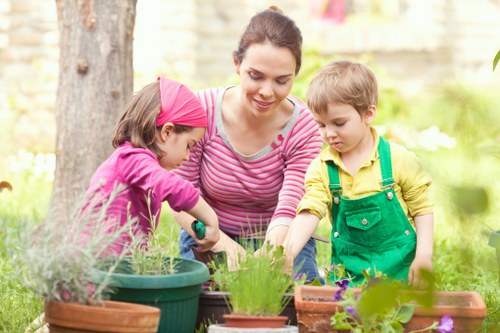 The success of this policy depends on consistent application by everyone involved in garden care. Safety is maintained through planning, awareness, communication, and respect for procedures. By following this policy, gardeners can work confidently while reducing unnecessary risks and supporting a professional standard of service.
All workers are expected to contribute to a safe and considerate working environment. That means recognising hazards, using equipment correctly, protecting themselves and others, and raising concerns without delay. When these expectations are followed, gardeners Beddington can deliver dependable work while placing health and safety first.