Common problems with narrow access for Beddington gardeners
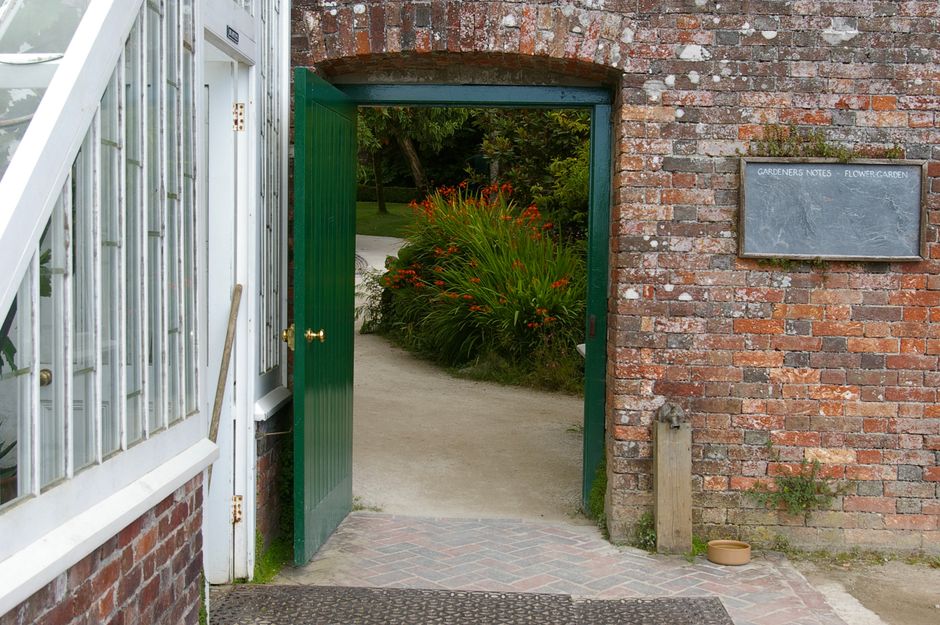
Narrow side paths, tight front gates, awkward alleyways, and garden layouts squeezed between fences can turn a simple tidy-up into a bit of a puzzle. If you are dealing with common problems with narrow access for Beddington gardeners, you are not alone. In many local gardens, the issue is not the work itself - it is getting people, tools, waste bags, and machinery safely to where they need to be.
That matters more than most people expect. A job that looks straightforward from the patio can become slower, messier, and more expensive once access is limited. It can affect everything from lawn mowing and hedge trimming to garden clearance, tree work, and even something as simple as moving a barrow of soil. In this guide, we will break down the real-world problems, the practical fixes, and the decisions that help you avoid the usual headaches.
And to be fair, narrow access is one of those things people only think about after the quote arrives or the van is already parked outside. Better to sort it early.
- Why narrow access matters
- How access limitations affect garden work
- Key benefits of planning access properly
- Who this is for
- Step-by-step guidance
- Expert tips for better results
- Common mistakes to avoid
- Tools, resources and recommendations
- Law, compliance and best practice
- Options and comparison table
- Case study example
- Practical checklist
- Conclusion
- Frequently asked questions
Why Common problems with narrow access for Beddington gardeners Matters
Narrow access affects almost every part of a gardening job. It is not just about whether someone can "get in". It changes how work is planned, what tools can be used, how long the job will take, and how much disruption you can expect.
In a typical Beddington garden, access can be restricted by a side passage that is only just wide enough for a person, a steep step down from the house, a shared walkway, a locked gate, or a tight route around outbuildings and bins. Sometimes the garden is perfectly manageable once you are inside, but the route in and out becomes the bottleneck. That is where delays start.
For homeowners, the practical impact is usually one of three things: extra labour, more manual carrying, or a different method altogether. For garden professionals, it can also mean protecting walls, fences, paving, sheds, and planting beds from accidental damage while working in a cramped space. A wheelbarrow scraping a gatepost sounds minor, until it happens three times in one afternoon. Then it is not minor anymore.
It also matters because poor access can affect the kind of quote you receive. A job that would be straightforward with full side access may need extra time, smaller equipment, or more labour if the team has to work carefully through a narrow route. That is normal, not a trick. It is simply the reality of the site.
If you are already thinking about broader garden work, it may help to look at the wider service picture too. Tasks such as garden maintenance, garden clearance, and landscaping can all be affected by access before the first spade goes in the ground.
How Common problems with narrow access for Beddington gardeners Works
At its simplest, access is about the path between the street, the house, and the part of the garden where work needs to happen. Once that route is tight, every stage of the job becomes a little more delicate.
Here is how the issue usually plays out:
- Assessment: The gardener checks gate widths, side passages, steps, turning space, surface condition, and the position of obstacles.
- Method choice: They decide whether the job can be done with standard tools or whether lighter, narrower, or manual equipment is needed.
- Movement planning: Materials, cuttings, soil, and waste are planned so they can be moved without blocking the route.
- Protection: Fragile edges, paving, walls, and door frames may need temporary protection.
- Work execution: The team works in smaller loads, shorter runs, and often with more attention to hand-carrying and staging.
The practical problem is not always the same. Sometimes the issue is physical width. Sometimes it is height, such as overhanging pipework, low canopies, or a tight archway. Sometimes the route is technically wide enough, but awkward because it bends sharply or becomes slippery after rain. One wet morning can make a narrow side path feel twice as narrow. You know the type.
In real life, this means access can influence whether a job is done with mowers, brush cutters, secateurs, long-handled tools, or more manual techniques. For example, lawn mowing in a rear garden with a very tight passage may need a lighter machine or a more manual approach, while hedge trimming might be affected by how safely clippings can be carried back out.
So the "how it works" answer is really this: narrow access changes the logistics. Once logistics change, time, safety, and cost usually change too.
Key Benefits and Practical Advantages
It may sound odd to talk about benefits when access is a problem, but there are genuine upsides to planning for it properly. Good access planning does not make a narrow garden bigger, obviously, but it does make the work cleaner, safer, and less stressful.
- Less risk of damage: Better planning reduces knocks to gates, fences, paving, and planting areas.
- Cleaner finish: When waste movement is organised, the job tends to end tidier. No one wants piles of clippings left squashed behind a bin.
- Safer working conditions: Narrow routes are safer when the method is matched to the site instead of forcing standard equipment through a tight gap.
- More accurate pricing: Honest access information leads to more realistic quotes and fewer surprises later.
- Better scheduling: Teams can bring the right tools on the first visit instead of discovering the issue halfway through the day.
There is also a quieter benefit: less frustration. A garden project should not feel like a game of Tetris every ten minutes. When everyone understands the access limitations before work starts, the whole process tends to run more smoothly.
For larger or more complex jobs, services such as gardening services and landscape gardening are often easier to coordinate when access is discussed early. That is especially true if waste removal, planting materials, or soil movement is involved.
Who This Is For and When It Makes Sense
This topic is relevant if any part of your garden feels hard to reach. That could be a small town garden, a terraced property, a side return with limited width, or a rear garden with a long route from the street. It is also relevant if you are planning any work that creates waste or needs regular repeat visits.
It tends to matter most for:
- homeowners with narrow side access or no side access at all
- landlords preparing a property for new tenants
- busy families who need quick, low-disruption garden visits
- older homeowners who prefer tidy, efficient jobs without repeated garden traffic
- people planning tree work, clearance, or heavier landscaping tasks
It also makes sense if you are comparing approaches. For example, a job that looks affordable on paper may become less cost-effective once every bag of waste has to be hand-carried through a slim passage. Likewise, a project that includes hard landscaping, decking, or fencing should never be priced without a proper look at access. That is just asking for trouble, honestly.
If your garden is mostly tidy but awkward to get to, smaller tasks can still be done efficiently. Routine visits for lawn care or patio cleaning may be perfectly manageable with the right setup. The key is matching the service to the site.
Step-by-Step Guidance
If you are dealing with narrow access, the best results usually come from a simple, methodical approach. No drama. Just good planning.
- Measure the route carefully. Check gate widths, passage widths, tight corners, steps, slopes, and any overhead restrictions. Measure the narrowest point, not the widest.
- Note obstacles. Bins, planters, hoses, bikes, fixed furniture, loose paving, and low branches can all turn a narrow route into a real squeeze.
- Photograph the access point. A few clear photos help a gardener judge the site before arrival. Take shots from both directions if possible.
- Decide what must go through the access route. Is it only tools, or also green waste, soil, timber, and replacement materials? Big difference.
- Choose the right method. Some jobs need smaller equipment, staged waste removal, or hand finishing. Others may be best split into phases.
- Protect vulnerable surfaces. Temporary boards, covers, or careful placement can prevent scratches and muddy transfer through the property.
- Keep the route clear during work. Sounds obvious, but clutter creeps in fast once the job starts.
- Review the outcome. After the work, check for marks, missed waste, or access-related issues that need a quick fix.
If you are planning something more involved, like a renovation around new structures, access should be considered alongside features such as fencing or timber work. It may also affect whether jobs like fencing or decking services need adjustments in delivery and assembly.
One small but useful tip: if you can walk the route while carrying a couple of rubbish sacks or a lightweight box, you will quickly discover where the awkward point is. It is a bit old-fashioned, but it works.
Expert Tips for Better Results
People often think narrow access is just a "small-garden issue". It is not. It is a planning issue. And a few practical habits make a big difference.
- Start with waste movement, not the main task. If waste cannot leave efficiently, the whole job clogs up.
- Break big jobs into smaller loads. Smaller, regular movements are often safer than one oversized trip that scrapes everything on the way out.
- Use the right season for heavier work. In wetter months, soft ground and muddy passageways can make an already tight route worse.
- Keep a clear "in" and "out" path. Even in a tiny garden, having a system avoids collision and backtracking.
- Ask about equipment early. A lightweight mower, compact clearance tools, or manual methods may be better than forcing standard kit through a tight gate.
In practice, the best teams do not just ask, "Can we get in?" They ask, "Can we work efficiently without creating a mess?" That is a much better question.
If tree branches, trunks, or heavy cuttings are involved, access becomes even more sensitive. For those jobs, services such as tree surgery and tree lopping and removal can require a very careful site plan. When access is truly tight, the difference between a smooth day and a chaotic one is often in the preparation, not the cutting.
Common Mistakes to Avoid
Let's be honest: most access problems are made worse by avoidable mistakes. The good news is that they are easy to spot once you know what to look for.
- Guessing the width. A gate that "looks fine" is not the same as a measured route.
- Forgetting the tightest point. The narrowest section, not the entrance at the front, is what matters.
- Ignoring waste volume. A small pruning job can create a surprising amount of bulky material.
- Not clearing the path first. A cluttered access route slows everything down.
- Assuming standard equipment will fit. Sometimes it will. Sometimes it really will not.
- Leaving surfaces unprotected. A bit of planning avoids marks on paint, timber, stone, or render.
- Booking too late in the day. If access is awkward, everything takes longer. That is just life.
One more thing: it is tempting to focus only on the work inside the garden. But access failures often happen before the work even begins. The gate sticks. The route bends. The bins are in the way. Suddenly the first ten minutes become a small negotiation with the property. Better to avoid that.
Tools, Resources and Recommendations
The right tools can make narrow access much less of a headache. This is not about fancy kit. It is about choosing tools that suit the property.
| Access situation | Practical approach | Why it helps |
|---|---|---|
| Tight side passage | Lightweight tools, smaller loads, clear staging point | Reduces repeated squeezing through the same gap |
| Long route to rear garden | Planned waste runs and protected walkways | Stops mud and debris spreading through the property |
| Awkward corners or steps | Manual handling and shorter carrying distances | Improves control and lowers damage risk |
| Heavy clearance job | Phased removal and frequent bin bag movements | Prevents bottlenecks and overfilling |
| Mixed planting and hardscape access | Careful route protection and tool selection | Protects both the garden and fixed surfaces |
Useful preparation is often very simple. A tape measure, a phone camera, a broom, some temporary covers, and a bit of advance thinking can solve half the problem. The other half usually needs experience, which is why access-aware planning matters so much.
If you are comparing service options, it can also be helpful to review pricing and quotes carefully. A clear quote should reflect the site conditions, not just the task name. That is the fair way to do it.
For some gardens, ongoing upkeep is the most practical solution. A regular visit for garden maintenance can prevent access routes from being overwhelmed by overgrowth, waste build-up, or neglected edges. Small and steady beats huge and stressful, most weeks.
Law, Compliance, Standards, or Best Practice
When access is narrow, safety and good practice become more important, not less. There is no need to overstate this, but it is wise to treat cramped routes seriously.
In the UK, garden work should generally follow sensible manual handling, site safety, and risk-aware working practices. That means thinking about trip hazards, lifting loads safely, keeping routes clear, and avoiding damage to neighbouring property. If equipment is used, it should be appropriate for the space and the task. Simple enough in principle, but easy to get wrong in a tight setting.
For larger or riskier jobs, a proper site assessment is good practice. This might include checking access before work begins, identifying slippery surfaces, and considering whether gates, steps, or uneven paving create an added risk. It is not about paperwork for the sake of it. It is about not having a bad day on a narrow path.
Homeowners should also be aware that some tasks, especially involving trees, heavy waste, or structural changes, may need more careful planning than a routine tidy-up. If you are unsure, ask the provider how they handle access, protection, and safety. A trustworthy team should be happy to explain their approach in plain English. No puffed-up jargon required.
For service confidence, it also helps to understand the company's approach to insurance and safety and read the health and safety policy if you want extra reassurance before booking.
Options, Methods, or Comparison Table
Different access problems call for different solutions. There is rarely one perfect answer, but there is usually a more sensible one.
| Method | Best for | Pros | Trade-offs |
|---|---|---|---|
| Standard tools and full-size equipment | Wider access and simple layouts | Fast, efficient, familiar | May not fit through narrow routes |
| Compact tools and lighter machinery | Tight but workable access | More flexible, less damage risk | Can take longer on larger jobs |
| Manual carrying and staged waste removal | Very narrow passages or delicate spaces | Controlled and adaptable | Labour-intensive and slower |
| Split-phase work | Large or complex projects | Reduces congestion and mistakes | Requires more coordination |
For some properties, the best answer is a hybrid. A bit of machinery outside the narrowest section, hand work inside it, and a careful waste plan throughout. That combination is more common than people think.
Where hard surfaces are being refreshed, access planning also matters for finishing quality. Jobs like patio cleaning can be surprisingly awkward if hoses, cleaning equipment, and waste runoff have to pass through a tight side route. Again, not impossible - just something to plan for.
Case Study or Real-World Example
Picture a typical rear garden behind a terraced property in Beddington. The garden itself is a decent size, but the only route in is a narrow side passage with a gate, a slight bend, and a couple of steps near the back door. Nothing dramatic. Just awkward enough.
The client wants a full tidy-up: border cutback, lawn improvement, hedge shaping, and removal of a large pile of old trimmings that has built up over several seasons. On first glance, it seems like a normal day's work. Once the route is measured, though, a few issues appear.
The gate opening is tight. The passage has a turn that makes larger items awkward. The paving is slightly uneven, so wheel movement is not as smooth as expected. If standard equipment were forced through, the risk of scuffed paint and a muddy mess would rise quickly.
So the work is adjusted. Tools are brought in smaller loads. Waste is cleared in stages rather than piled high. The most awkward items are cut down before removal. The access path is kept clear, and the team uses more careful hand carrying around the bend. The job takes longer than it would with open access, but the finish is neat and the property stays protected.
That is really the point. Narrow access does not stop good garden work. It just asks for a smarter method. A bit more patience, a bit more planning, and less rushing. Usually that is enough.
Practical Checklist
Use this quick checklist before booking or starting work:
- Measure the narrowest gate or passage width.
- Check for steps, slopes, bends, and low overhead obstacles.
- Clear bins, bikes, furniture, and loose objects from the route.
- Take clear photos of the access route from both directions.
- Think about waste removal, not just the main garden task.
- Ask whether compact tools or manual methods will be needed.
- Protect paintwork, paving, and fence panels where needed.
- Plan for wet weather if the route is exposed or muddy.
- Confirm whether the job will be done in one visit or split into phases.
- Check the quote reflects access limitations, not just the headline service.
If you can tick off most of these items, you are already ahead of the curve. It sounds basic, but basic is often what saves the day.
Get a free quote today and see how much you can save.
Conclusion
Common problems with narrow access for Beddington gardeners are less about the garden itself and more about how the garden is reached, worked in, and cleared away afterwards. Tight gates, awkward side passages, limited turning space, and fragile surfaces all shape the job from the start.
The good news is that narrow access is manageable. With accurate measurements, realistic planning, the right tools, and a sensible approach to safety, most gardens can still be maintained or transformed without unnecessary stress. The trick is to treat access as part of the job, not an afterthought.
If you are unsure how a project will work in your space, ask early, share photos, and be honest about the route in. That small bit of care can save time, money, and a fair amount of hassle. And frankly, who needs more hassle?
A well-planned garden job always feels better at the end - cleaner edges, less mess, and no surprise damage. That is the version worth aiming for.
Frequently Asked Questions
What are the most common narrow access problems for gardeners?
The most common issues are narrow gates, tight side passages, awkward corners, steps, uneven paving, and limited space for moving waste or equipment in and out.
Does narrow access always make garden work more expensive?
Not always, but it often affects time and labour. If a job needs smaller tools, extra carrying, or more protection for surfaces, the quote may reflect that.
Can a garden still be maintained if there is no side access?
Yes. Many gardens can still be maintained without side access. The method just needs to suit the property, and work may need to be done in smaller stages.
Should I measure my gate before asking for a quote?
Yes, that is one of the most helpful things you can do. Measure the narrowest point and mention any bends, steps, or low overhead restrictions too.
What photos should I send if access is tight?
Send clear photos of the route from the street to the garden, the gate, any narrow bends, steps, and the main working area. A few honest photos are better than a long explanation.
What kinds of jobs are hardest with narrow access?
Jobs that produce bulky waste or require heavier materials are usually hardest. That includes garden clearance, tree work, some landscaping jobs, and larger fencing or decking tasks.
Can narrow access damage my fence or paving?
It can if the route is not planned carefully. That is why protection, correct equipment, and controlled movement matter so much on tighter sites.
Is compact equipment always better?
Not always. Compact equipment helps in many tight spaces, but the best method depends on the job itself. Sometimes a mix of compact tools and manual work is the safest option.
How do gardeners usually remove waste from a narrow garden?
They often remove waste in smaller loads, use bags or lightweight containers, and stage material so the route stays clear. For larger jobs, the waste plan becomes part of the whole job plan.
What should I ask before booking garden work with difficult access?
Ask how the team handles narrow routes, what equipment they plan to use, whether they need photos or measurements, how waste will be removed, and whether the quote includes access-related adjustments.
Is narrow access a problem for regular lawn care?
It can be, but often only slightly. A tight route may mean lighter equipment or a more careful setup. Routine work like lawn care is often still very manageable.
When should I consider a site visit instead of just sending photos?
If the access is very awkward, the job is large, or there are multiple levels and obstacles, a site visit is often the best way to avoid guesswork. It gives a clearer picture and helps prevent surprises later.