Beddington Lane Garden Services for Narrow Front Gardens: Practical Ideas That Make Tight Spaces Work Beautifully
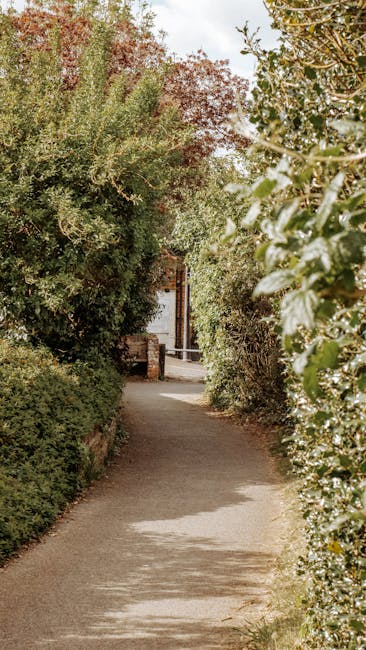
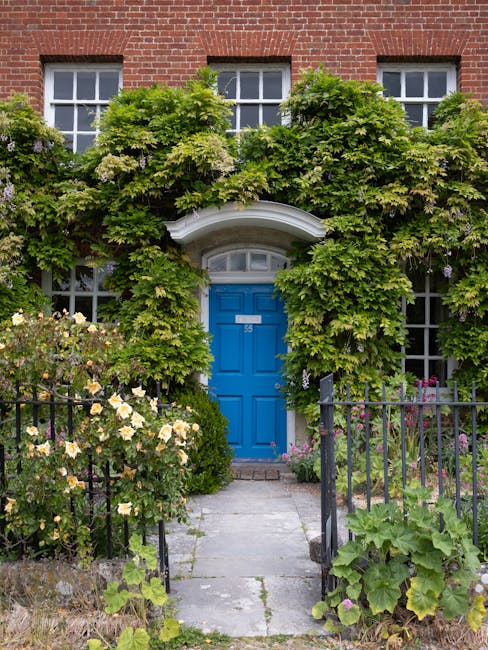
Narrow front gardens can be brilliant little spaces. They are the first thing people see, the bit that sets the tone, and often the part that causes the most head-scratching. If you live on or near Beddington Lane, you may already know the feeling: a slim strip by the pavement, a doorway to reach, not much room to turn, and somehow it still needs to look smart, welcoming, and easy to maintain. That is exactly where Beddington Lane garden services for narrow front gardens can make a real difference.
This guide breaks down how compact front gardens are planned, planted, trimmed, cleaned, and kept looking sharp without making the space feel cramped. You will find practical design ideas, common mistakes to avoid, a simple step-by-step approach, and a realistic look at what works best in a small frontage. No fluff. Just useful, grounded advice for small outdoor spaces that still deserve a proper finish.
Why Beddington Lane garden services for narrow front gardens Matters
A narrow front garden has a very different job from a big rear garden. It has to frame the house, leave a clear path to the door, stay tidy in all weather, and usually do all of that in a space where every centimetre counts. That is why the service matters: the design has to be intelligent, not just attractive.
In a tight frontage, poor choices show quickly. One oversized shrub can swallow the entrance. A thirsty lawn can become a muddy patch by November. A cheap quick-fix layout can look neat for a month, then start to feel awkward, overgrown, or hard to step around. To be fair, small gardens can be more demanding than larger ones because there is nowhere to hide the mess.
Good garden services for these spaces focus on balance. They consider access, light levels, drainage, privacy, maintenance, and the way the garden looks from both the street and the front window. That last point is often overlooked. You see the front garden every day, so it needs to feel calm and easy, not busy and fussy.
If the space has become cluttered or tired, a careful refresh can make the whole property feel better kept. And if the front garden is already functional, professional help can turn it into something sharper, greener, and simpler to manage through the seasons.
How Beddington Lane garden services for narrow front gardens Works
The process usually starts with a site check. In a narrow front garden, that inspection matters more than people expect. A gardener will look at how wide the path is, where the light falls, whether the soil holds water, how close roots are to walls or paving, and whether existing plants are helping or causing trouble.
From there, the plan normally shifts into layers. That might mean reworking the structure first, then choosing planting that suits the proportions of the space. In practice, a good approach often includes:
- clearing dead or overcrowded growth
- tidying edges and access routes
- improving soil where planting is intended
- choosing compact, vertical, or low-spread planting
- adding hard landscaping or containers only where they genuinely help
- setting a maintenance routine that fits the space
For many homes, the best results come from mixing soft landscaping with practical containment. For example, instead of a full lawn, you might use low-maintenance planting, a small decorative bed, and a clean, straight path to the entrance. That usually looks better and lasts longer than trying to squeeze in features that belong in a larger garden.
If the design includes hedging, climbers, or boundary planting, the service may also overlap with precise hedge trimming and shaping to keep everything in proportion. That is especially useful where a front garden needs privacy but cannot afford to feel boxed in.
Key Benefits and Practical Advantages
The best narrow-front-garden work is not about adding more. It is about making the space work harder without making it busier. That gives you a few very real advantages.
1. Better first impressions
A well-kept front garden makes the whole property feel cared for. Crisp edges, healthy planting, and a clean path can do more for appearance than a costly decorative feature ever will. Truth be told, people notice tidiness before they notice plant names.
2. Easier maintenance
Small front gardens should not become weekend chores. Good planning reduces the amount of pruning, deadheading, sweeping, and weeding required. If you dislike constant upkeep, that matters a lot.
3. Better use of limited space
Narrow layouts need smart decisions. Vertical planting, slim borders, wall-friendly species, and durable hard surfaces can make a modest frontage feel fuller without becoming crowded.
4. Improved access and safety
The route from gate to front door must stay easy to use. Services can improve the layout so bins, meters, steps, and door access do not become obstacles. That is not glamorous, but it is important.
5. A more resilient garden
Front gardens face a lot: road dust, foot traffic, wind exposure, frost, and occasional neglect. A carefully chosen planting scheme and sensible maintenance schedule help the space recover quickly after bad weather or a busy season.
Expert summary: In a narrow front garden, the winning formula is usually simple structure, restrained planting, and regular maintenance. If the space looks calm from the pavement and works smoothly for daily life, you are on the right track.
Who This Is For and When It Makes Sense
This type of service is a good fit for a wide range of homeowners, but especially for people who want the front of the property to look presentable without becoming high maintenance.
- Busy households: If you do not want to spend every other Saturday wrestling with weeds and edges.
- Older properties: Narrow Victorian or terraced front gardens often need sympathetic shaping and careful rebalancing.
- Homes with awkward access: Small side gaps, tight steps, or shared entry points need thoughtful planning.
- People wanting privacy: If passers-by are very close, slim hedging or climbers can help without overfilling the space.
- Landlords and sellers: A neat front garden supports kerb appeal and can improve the overall impression quickly.
It also makes sense if the garden has simply stopped working. Maybe the old planting is too large. Maybe the soil is tired. Maybe the pathway feels cramped. In those cases, a focused refresh is often more effective than patching bits and pieces. A little reset can go a long way. Really, it can.
For anyone starting from scratch, the basics matter even more. A helpful companion resource is practical gardening guidance for beginners, which can make decision-making less overwhelming before you commit to a full redesign.
Step-by-Step Guidance
If you are planning a narrow-front-garden project, it helps to think in sequence rather than trying to fix everything at once. Here is a sensible order.
- Measure the usable space. Include the path, boundaries, door swing, bins, and any areas you must keep clear.
- Map the light and shade. A front garden near fences, porches, or tall houses may only get a few usable hours of light.
- Remove clutter and weak planting. Old pots, tired shrubs, and invasive weeds should be cleared before design choices are made.
- Check drainage. If water pools near the path or gate, fix that first. No point planting into a soggy problem.
- Decide on the main purpose. Is the space mainly decorative, low maintenance, privacy-focused, wildlife-friendly, or a mix?
- Choose a simple layout. In a narrow strip, fewer strong features usually work better than lots of small ones.
- Select plants for scale. Compact shrubs, narrow evergreens, climbers, herbs, and ground covers usually suit the space better than big-spread specimens.
- Add structure carefully. A single container grouping, a slim raised bed, or a neat trellis can be enough.
- Finish with edges and surfaces. Clean borders, swept paths, and tidy paving instantly improve the look.
- Set a maintenance rhythm. Little and often is the mantra here. A ten-minute tidy can save an hour later.
That sequence sounds straightforward, but it is where many gardens go wrong. People jump straight to planting because that is the fun bit. Understandable. But without a plan, the space can feel even smaller after the makeover.
Expert Tips for Better Results
These are the habits that tend to separate a decent narrow front garden from one that quietly works all year.
Use vertical space, but keep it light
Vertical gardening is one of the smartest moves in a tight frontage. Trellises, climbers, wall planters, and slim obelisks draw the eye upward and free up floor space. If you want more ideas, have a look at vertical gardening ideas for compact homes.
Choose plants with restraint
It is tempting to fill every gap, but narrow gardens need breathing room. A few strong plants often look better than many small ones. Repetition helps too: one planting style repeated along a border can feel calmer and more intentional.
Think in layers, not clutter
Try a simple three-part structure: boundary, mid-layer, and ground layer. For example, a slim hedge or climber at the edge, a couple of mid-height shrubs, and a low ground cover to soften the base. It reads well and is easier to maintain.
Keep the entrance clear
Nothing spoils a front garden faster than a path that feels squeezed. Leave enough room for a person, a bag, and a wet coat on a windy day. Not exactly glamorous advice, but it matters.
Match the planting to the season
Front gardens are seen constantly, so they need something happening through the year. Evergreen structure, seasonal flowers, and winter interest stop the space looking flat. A bit of planning here saves a lot of "looks fine in May, empty in January" disappointment.
If the garden struggles with weeds, do not just chop and hope. A more lasting routine works better, and this article on better weed control habits is useful when you want the ground to stay tidy, not just look tidy for a week.
Common Mistakes to Avoid
Narrow front gardens are unforgiving, so a few common errors show up quickly. Here is what to watch out for.
- Using plants that spread too widely: They will overtake the path or crowd the entrance before long.
- Overloading the space with pots: Too many containers can make a small frontage feel busy and messy.
- Ignoring maintenance access: If you cannot reach the back of a border easily, future upkeep becomes a headache.
- Choosing thirsty planting for a difficult spot: Some locations dry out fast or stay shaded; plant accordingly.
- Letting ivy and creepers go unmanaged: They can look lovely until they are everywhere. A bit like glitter, only greener.
- Forgetting about boundaries and sightlines: High planting near gates or steps can make the front feel enclosed or awkward.
Another quiet mistake is trying to make the front garden do too many jobs. A tiny space can be decorative, practical, and welcoming, but asking it to function like a full-size family garden is rarely realistic. Better to be elegant and simple than crowded and confused.
If ivy or stubborn climbers are already causing problems, it may be time for a cleaner reset. This guide to ivy removal techniques is a good reference point before new planting goes in.
Tools, Resources and Recommendations
A good result depends not only on design, but on having the right tools and habits. Small gardens still need proper equipment. Maybe even more so, because every cut and every sweep shows.
Useful tools often include:
- sharp hand secateurs for precise pruning
- a narrow spade or border fork for tight planting areas
- a stiff hand brush for paths and paving
- gloves with a good grip
- a compact watering can or hose attachment for controlled watering
- loppers for larger woody stems where needed
- a kneeling pad for low borders and edging work
If you are building up your kit, a simple guide to essential gardening tools and supplies can help you avoid buying things you will not actually use.
For design inspiration, materials matter too. In narrow spaces, durable paving, gravel, bark, or a small number of well-chosen containers can be more effective than trying to force in a big lawn. If you prefer a low-maintenance planting scheme, it can also help to explore ground covers suited to UK gardens, since they can soften bare soil without taking over.
And if your idea of a better front garden includes a comfortable place to pause with coffee on a mild morning, then you may also like ideas for creating a compact seating area. Not every front garden needs a bench, of course, but sometimes a tiny corner can do surprising things.
Law, Compliance, Standards, or Best Practice
For most domestic front gardens, the main concern is practical best practice rather than formal regulation. Still, there are a few sensible standards to keep in mind.
- Access and safety: Front paths, steps, and gate areas should remain clear and safe to use. Slips, trip points, and overgrown edges matter more than people think.
- Boundary awareness: If planting, fencing, or trimming sits close to shared lines, it is best to be cautious and respectful about ownership and access.
- Waste handling: Green waste should be dealt with properly. A tidy finish includes removal or agreed disposal of cuttings and debris.
- Tree and root care: Larger roots, overhanging branches, and structural growth should be assessed carefully so nothing compromises walls, paths, or nearby utilities.
- Professional safety practice: Reputable gardeners should work with appropriate care, sensible equipment, and attention to site hazards.
If you are hiring help, it is reasonable to ask how safety is handled, what happens with waste, and how the work will be phased. You can also review practical company information such as insurance and safety details and the site's health and safety policy. That is just good housekeeping, really.
For payment confidence and general service expectations, a glance at payment and security information and terms and conditions can also be reassuring before any work begins.
Options, Methods, or Comparison Table
There is no single correct way to improve a narrow front garden. The right choice depends on your goals, budget, and how much maintenance you are willing to take on. This comparison should help.
| Approach | Best for | Pros | Watch-outs |
|---|---|---|---|
| Light tidy-up and maintenance | Gardens that are already functional | Quick improvement, low disruption, affordable | Does not solve deeper layout issues |
| Full replanting with compact species | Overgrown or tired front gardens | Better structure, better seasonal interest, easier long-term care | Needs a clearer plan and some ongoing pruning |
| Vertical and container-led design | Very narrow spaces with limited soil | Saves ground space, adds height, can look polished | Containers need watering and feeding; can dry out quickly |
| Hard landscaping refresh | Front gardens with poor access or bad paving | Strong visual improvement, tidy finish, practical access | Can cost more and may need more planning |
In many real-world cases, the best answer is a blend. A little structure, a little planting, a little restraint. That combination tends to age well, which is half the battle in a front garden.
Case Study or Real-World Example
Imagine a narrow front garden on a typical residential street: a short path from pavement to door, a bed squeezed between the wall and the gate, and a couple of tired shrubs that have grown wider than they should. The whole space feels dim and cluttered, especially after wet weather.
A sensible improvement plan would start by cutting back the excess growth and removing anything that blocks the entrance. The old soil could then be improved, the bed reset, and the planting reduced to a few reliable, compact choices. A slim climber on a trellis might bring height without stealing ground space. A neat ground cover could soften the base. One or two containers could add seasonal colour near the door.
The key change is not dramatic drama. It is balance. The path becomes easy to use again. The frontage feels lighter. The house looks better kept. And because the planting is scaled properly, maintenance drops from "oh no, not again" to something you can manage in short visits.
That kind of transformation is very common with narrow front gardens. They rarely need lots of features. They need good judgement.
Practical Checklist
Use this before you start a project or book work for a narrow front garden.
- Is the path wide enough and easy to use?
- Are overgrown plants blocking light, windows, or access?
- Have you checked for drainage problems or compacted soil?
- Do you know whether the garden is mainly decorative or maintenance-led?
- Have you chosen plants that suit the available light?
- Will the design still look good in winter, not just in summer?
- Can you reach every area for pruning and weeding?
- Are containers, edging, or trellises sized properly for the space?
- Will the finished look leave the frontage feeling calm rather than crowded?
- Do you have a realistic maintenance plan for the next few months?
If the answer to several of those is "not yet", that is fine. It just means the plan needs a bit more thought before the first cut or planting session.
Get a free quote today and see how much you can save.
Conclusion
Beddington Lane garden services for narrow front gardens are about making small spaces behave beautifully. That means careful planning, the right scale of planting, sensible access, and maintenance that keeps the garden neat without becoming a burden. A narrow frontage will never have the freedom of a large plot, but it can still look elegant, tidy, and genuinely welcoming.
When the layout is handled well, the whole house benefits. The entrance feels calmer. The street view improves. The work becomes easier to maintain. And honestly, that steady, finished look is often more satisfying than a flashy overhaul. Small spaces can be quietly excellent. Sometimes that is the best kind.
If you are ready to improve a tight front garden, a careful first conversation is the smartest next step. You can start that process through the contact page or learn more about the wider gardening services available. Either way, the goal is the same: a front garden that feels easy, balanced, and right for the home.
Frequently Asked Questions
What makes narrow front gardens so tricky to design?
They have to do a lot in a small footprint: look attractive, leave safe access, handle weather, and stay manageable. There is very little room for trial and error, so scale matters a great deal.
What are the best plants for a narrow front garden?
Compact shrubs, slim evergreens, climbers, ground covers, herbs, and container plants often work well. The best choice depends on light levels, soil, and how much maintenance you want.
Is a lawn a good idea in a small front garden?
Sometimes, but not always. In many narrow spaces, a lawn can be more hassle than it is worth, especially if the area is shaded or heavily used. Alternatives such as planting beds or hard landscaping can work better.
How do I make a narrow front garden look bigger?
Use simple lines, keep the centre clear, repeat a few plant types, and consider vertical elements like climbers or slender trellises. Clutter usually makes the space feel smaller, not richer.
Can a narrow front garden still provide privacy?
Yes, but the privacy solution needs to be restrained. Slim hedging, trained climbers, or carefully placed planting can soften views without making the frontage feel boxed in.
How often should a narrow front garden be maintained?
Most compact front gardens benefit from light, regular maintenance. A short tidy every week or two often keeps things under control better than waiting for a big seasonal clear-out.
What should I do if ivy is taking over the front of the house?
Do not just pull blindly, especially if it is attached to walls or fencing. It is better to remove it carefully and check what damage or regrowth may remain. Targeted removal is usually the safer route.
Are container gardens a good option for narrow front spaces?
Yes, very often. Containers let you control the planting, move things around, and avoid overcrowding the ground. The trade-off is that they need watering and feeding more often.
How much work does a professionally designed narrow front garden need after installation?
That depends on the planting style. A low-maintenance scheme should need only light trimming, sweeping, and seasonal checks, while a more ornamental scheme may need regular pruning and deadheading.
What is the biggest mistake people make with small front gardens?
Trying to fit in too much. Oversized plants, too many features, and crowded layouts can overwhelm a narrow space very quickly.
Can front garden work include hedges, paving, and cleanup as well as planting?
Yes. In practice, front garden projects often combine trimming, clearing, edging, planting, and surface tidying. That mix is usually what creates the finished look people want.
How do I choose between a tidy-up and a full redesign?
If the garden is mostly functional and just looks a bit tired, a tidy-up may be enough. If access is awkward, planting is overgrown, or the layout no longer suits the space, a redesign is probably the better long-term choice.